Our story begins with Tibet—not as a decorative theme, but as a living source of spiritual language, symbolism, prayer, and practice.
Where the Meaning Begins
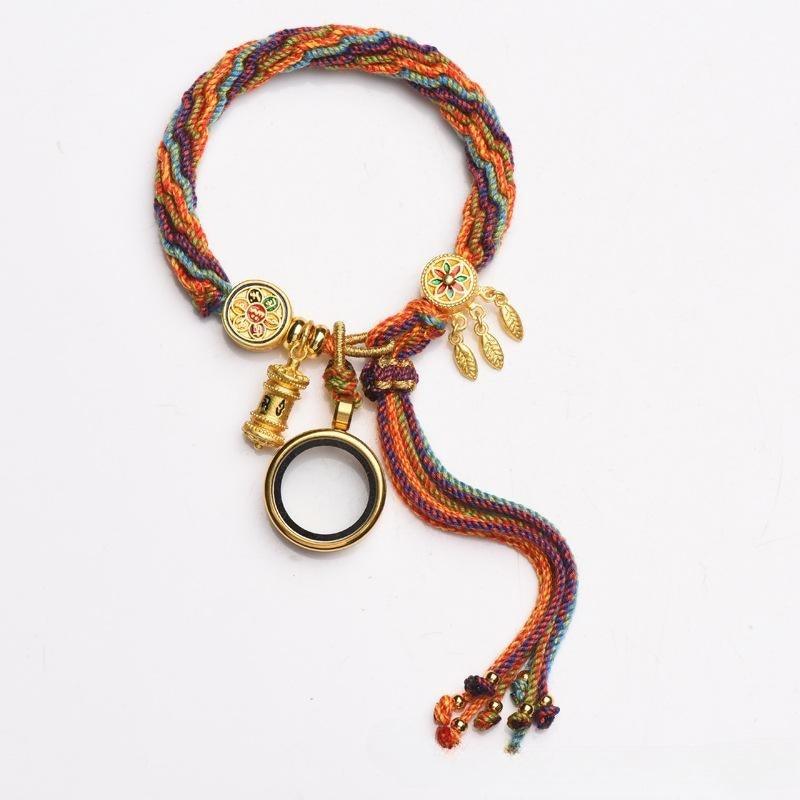
Tibetan Buddhist culture carries meaning through objects used and worn in daily life: red protection cords, mala beads moved one by one during mantra recitation, prayer wheels, sacred syllables, Buddha imagery, protective motifs, and patterned beads associated with auspicious intention.
These objects matter because of the practices and values around them: compassion, awareness, blessing, protection, merit, remembrance, disciplined repetition, and the wish to meet life with a steadier mind.
Om Mani Padme Hum
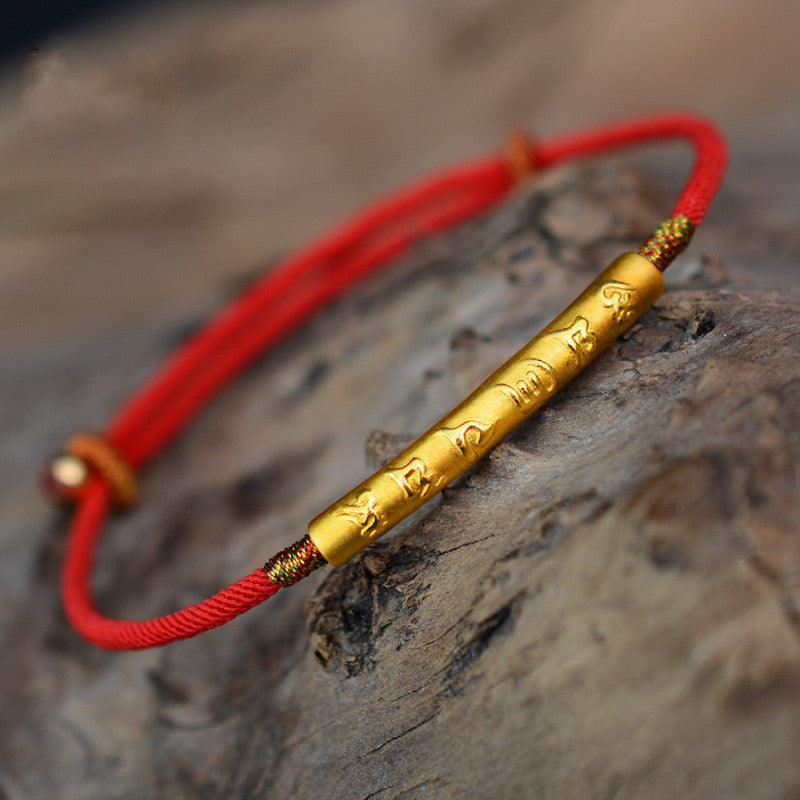
The six-syllable mantra Om Mani Padme Hum is closely associated with Avalokiteshvara, the bodhisattva of compassion. Across Tibet and the Himalayan Buddhist world, the mantra appears in prayer, carved stones, prayer wheels, ritual objects, and jewelry. For practitioners and believers, it is a reminder to return again and again to compassion and mindful awareness.
Red Cord, Mala & Dzi
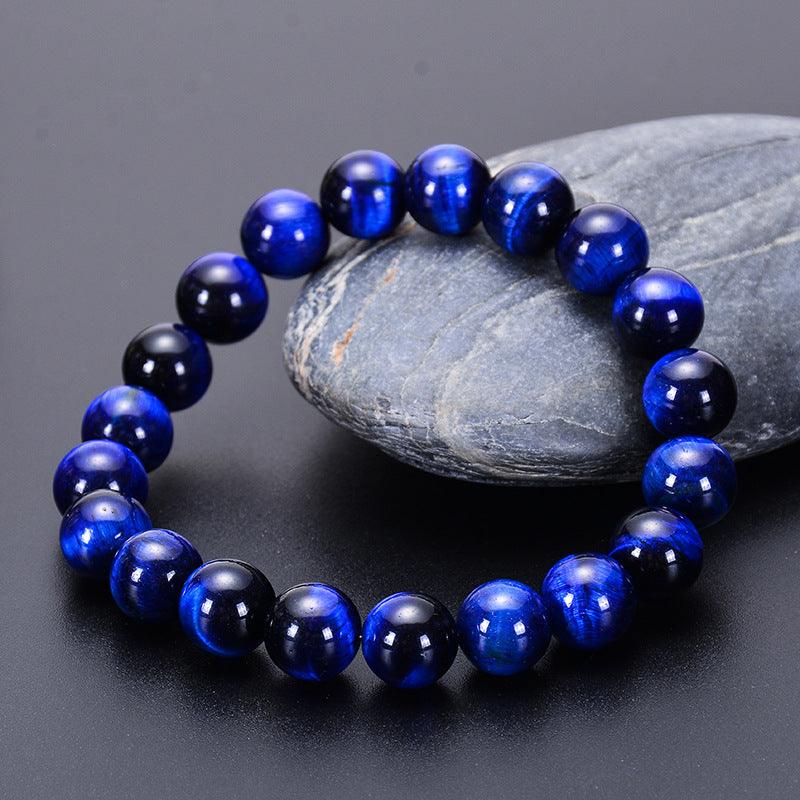
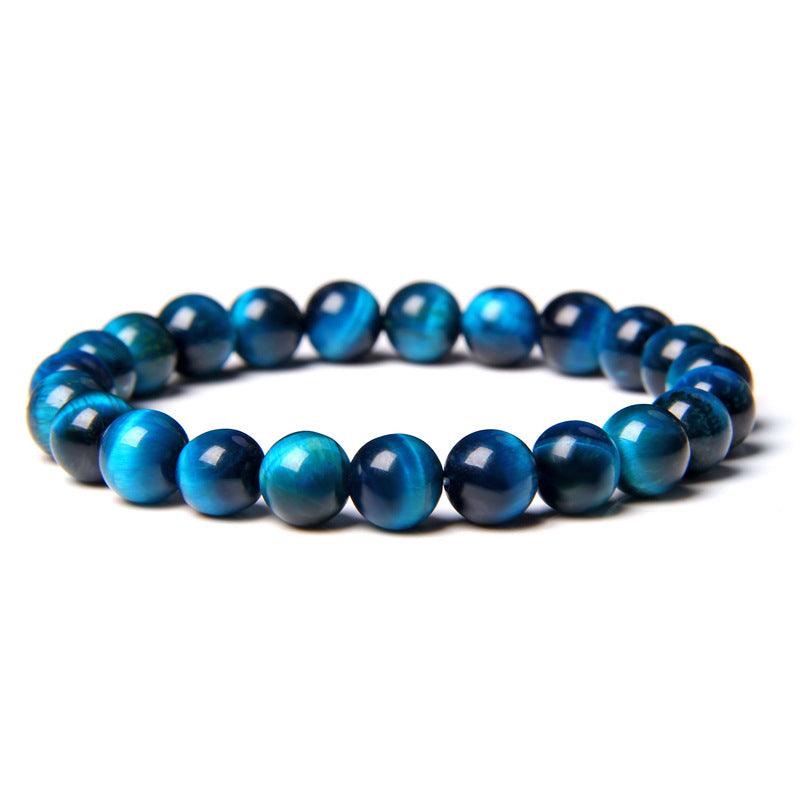
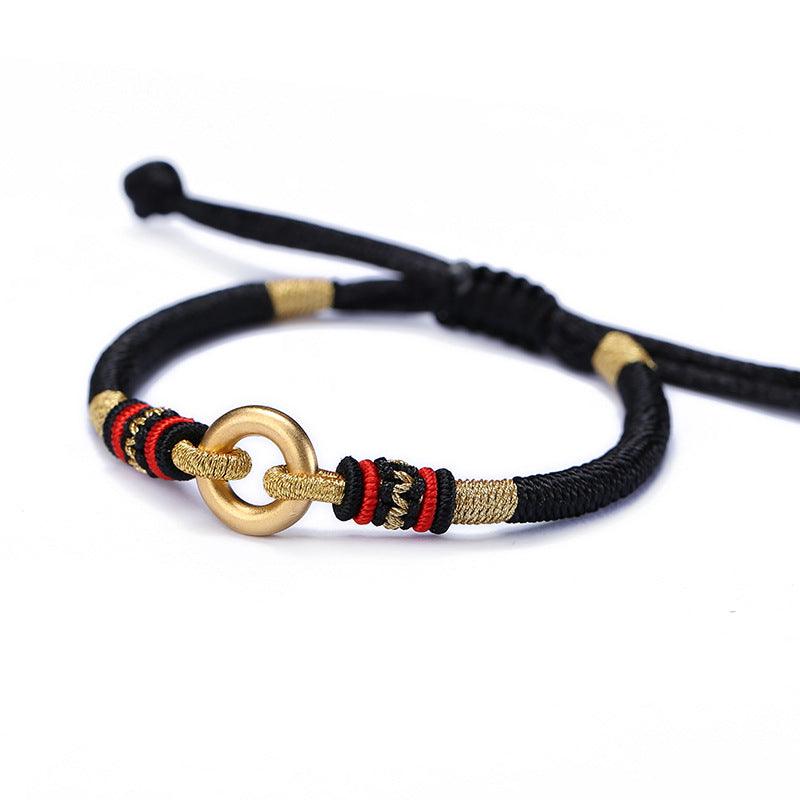
Red cords are connected with blessing, prayer, protection, and spiritual intention in Tibetan Buddhist settings. Mala beads provide a tactile structure for mantra and prayer recitation. Dzi-style beads are recognized for eye, stripe, and geometric patterns that carry strong protection and auspicious symbolism in Tibetan and Himalayan-inspired jewelry traditions.
Tibet, China & the Himalayan World
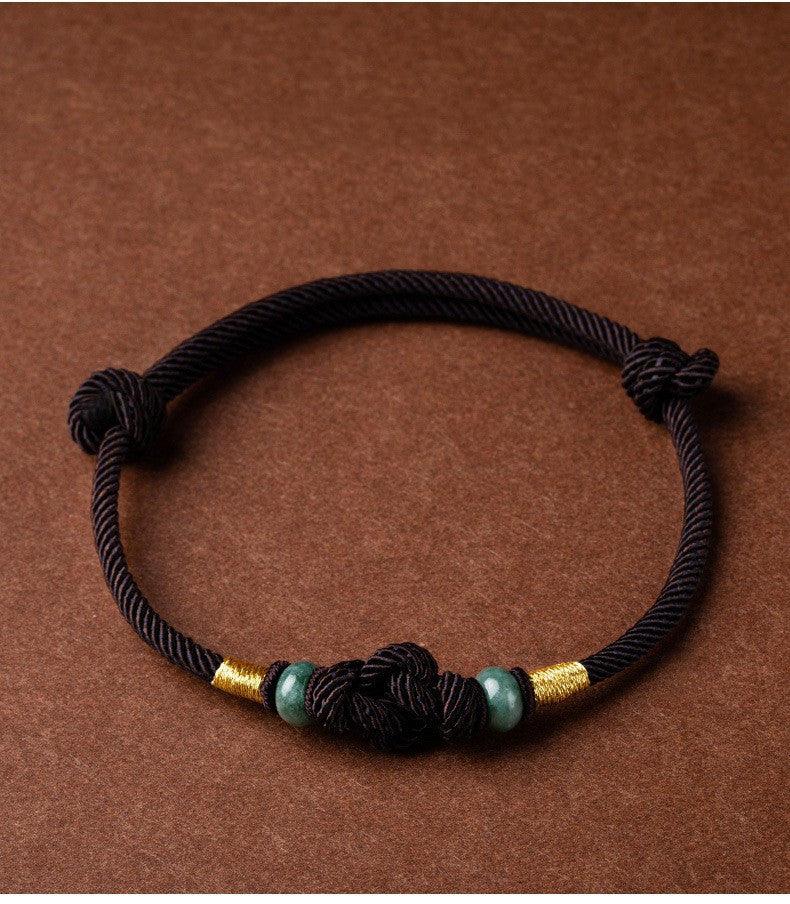
Our collection is rooted in Tibetan spiritual heritage while also reflecting the wider cultural world around it. Chinese jade traditions contribute their own meanings of virtue, harmony, longevity, prosperity, and auspiciousness. Nepalese and Newar Buddhist traditions contribute rich ritual, artistic, and devotional forms. We keep these traditions distinct in our guides while allowing them to meet naturally in the jewelry and meditation objects people wear and use today.
From Tradition to Everyday Life
We believe a meaningful object should first be understood as what it is, then as what it represents. A bracelet is still a bracelet; a mala is still a counting tool; a singing bowl is still an object used in meditation and ritual-inspired practice. Its deeper value comes from the tradition, symbol, prayer, or intention that gives it resonance.
Explore our Rooted in Tibet collection, Red String Bracelets, Mala Beads, and Buddhist Guides.
Cultural References