
Quick Answer

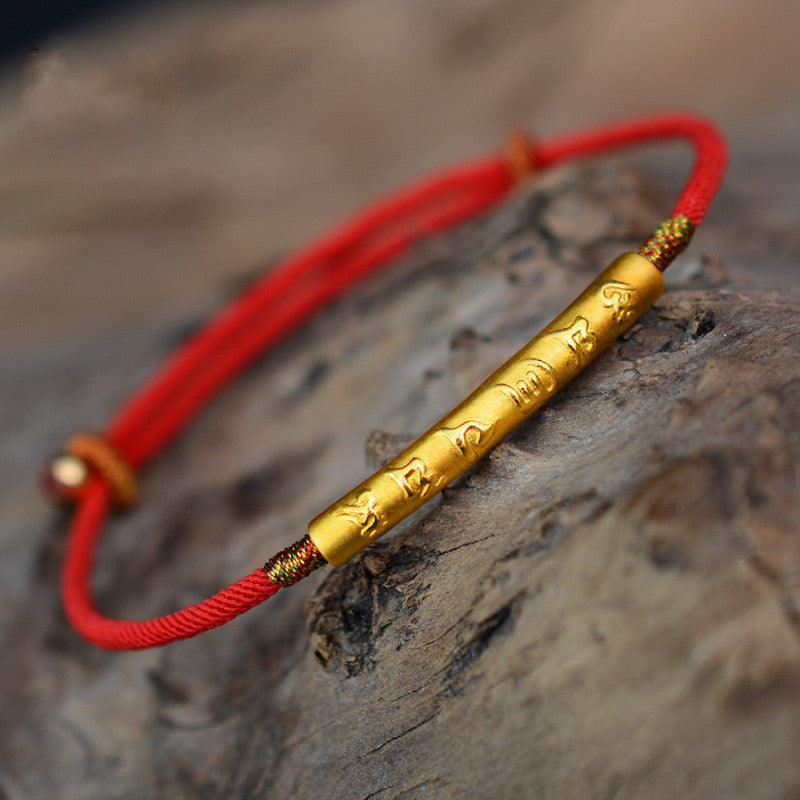
There is no single universal rule for which wrist must wear a red string bracelet. In Buddhist, Tibetan, Chinese, Hindu, Jewish, and folk traditions, the meaning and wearing practice can differ. If your bracelet was given during a specific ritual or by a teacher, follow that instruction first.

Why Red Protection Cords Are Worn

In Tibetan Buddhist contexts, red or colored protection cords can be connected with teachings, empowerments, prayers, and blessings. The Office of His Holiness the Dalai Lama has documented ritual protection cords being blessed and tied around participants during Buddhist ceremonies. See the Dalai Lama’s documentation of ritual protection cords.

Left Wrist or Right Wrist?

Many popular explanations assign receiving energy to the left wrist and giving energy to the right, but these ideas are not a universal Buddhist rule. In practice, people may wear a red string bracelet on whichever wrist is comfortable, visible, or personally meaningful.

What Matters More Than the Wrist

  • Origin: Was the cord connected with a ritual, teacher, prayer, or personal intention?
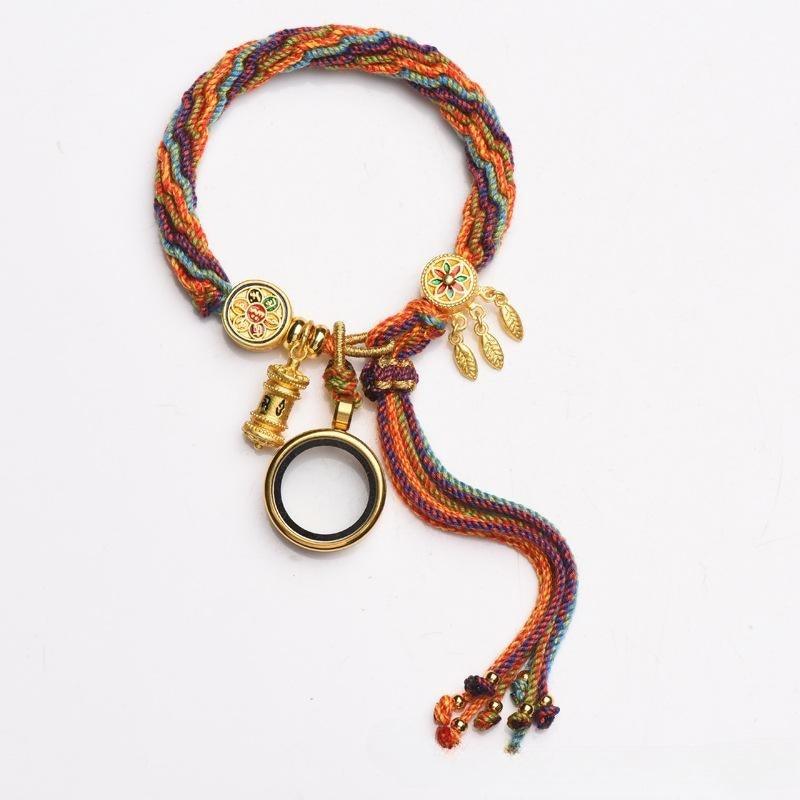
  • Symbolism: Does it include a mantra, Buddha image, jade bead, knot, or other symbol?
  • Fit: Is the bracelet secure without being too tight?
  • Intention: For believers, the bracelet may serve as a reminder of prayer, compassion, protection, or blessing.

Can You Switch Wrists?

For an everyday symbolic bracelet, switching wrists is usually a personal choice unless you were given specific religious guidance. If a cord was received as part of a formal Buddhist ceremony, respect the instructions connected with that practice.

Choosing a Red String Bracelet

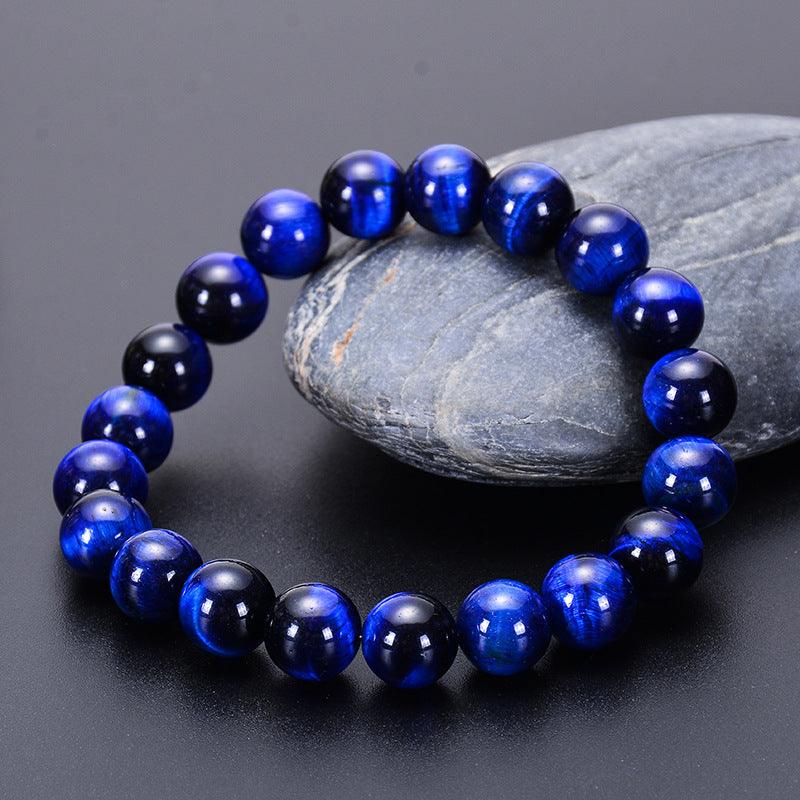
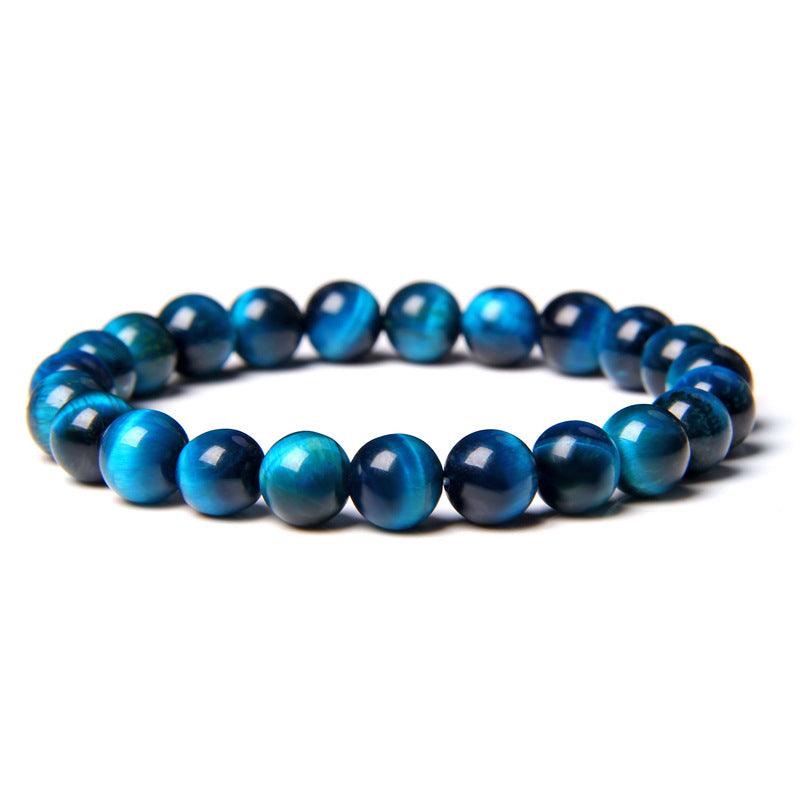
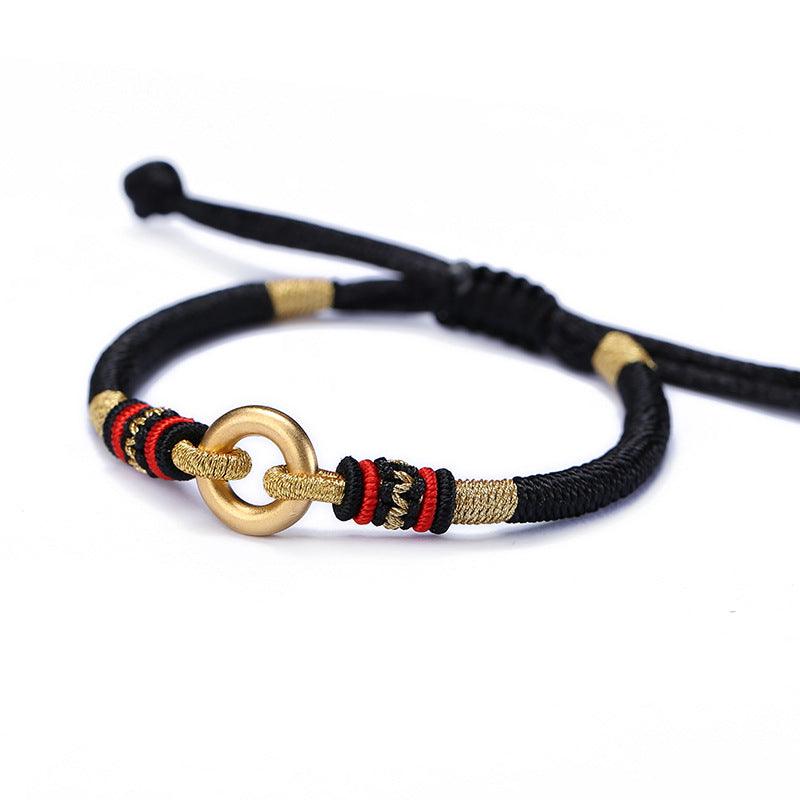
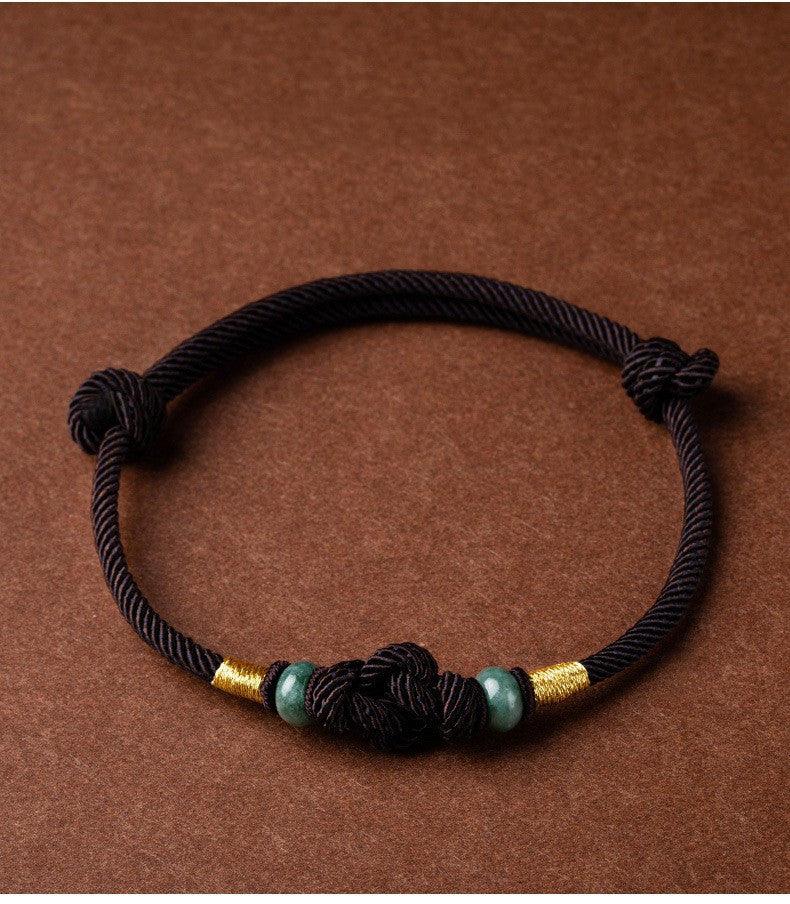
Compare cord style, adjustability, mantra details, bead material, and symbolism. Browse our Red String Bracelets, Tibetan Bracelets, and Protection & Safeguard jewelry.

Bottom Line

The meaning of a red string bracelet comes more from its tradition, blessing, symbol, and the wearer’s intention than from a rigid left-versus-right rule.