
Quick Answer

Choose mala beads by deciding how you will use them: mantra counting, seated meditation, wearing, gifting, or a combination. Then compare bead count, bead size, weight, cord construction, guru bead, material, and overall length.

Why 108 Beads?

Full malas commonly contain 108 counting beads. The Rubin Museum of Himalayan Art documents Tibetan prayer beads with 108 beads used to count prayers and mantras. See the museum’s Tibetan Prayer Beads and Bodhiseed Prayer Beads.

Choose the Bead Count

  • 108 beads: traditional full-length format for complete recitation cycles.
  • 54 or 27 beads: shorter formats that can represent fractions of a full cycle.
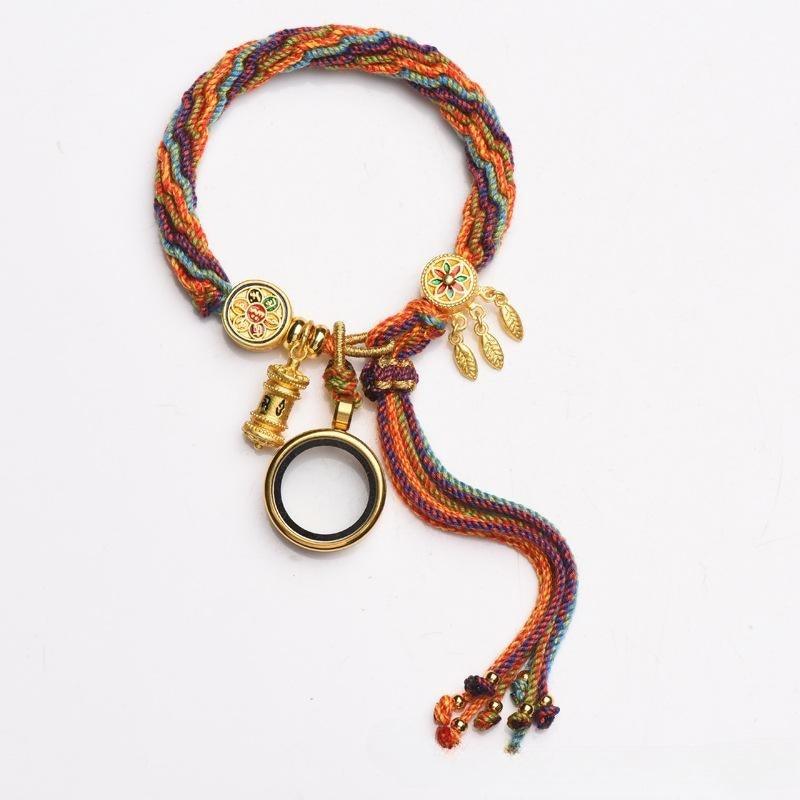
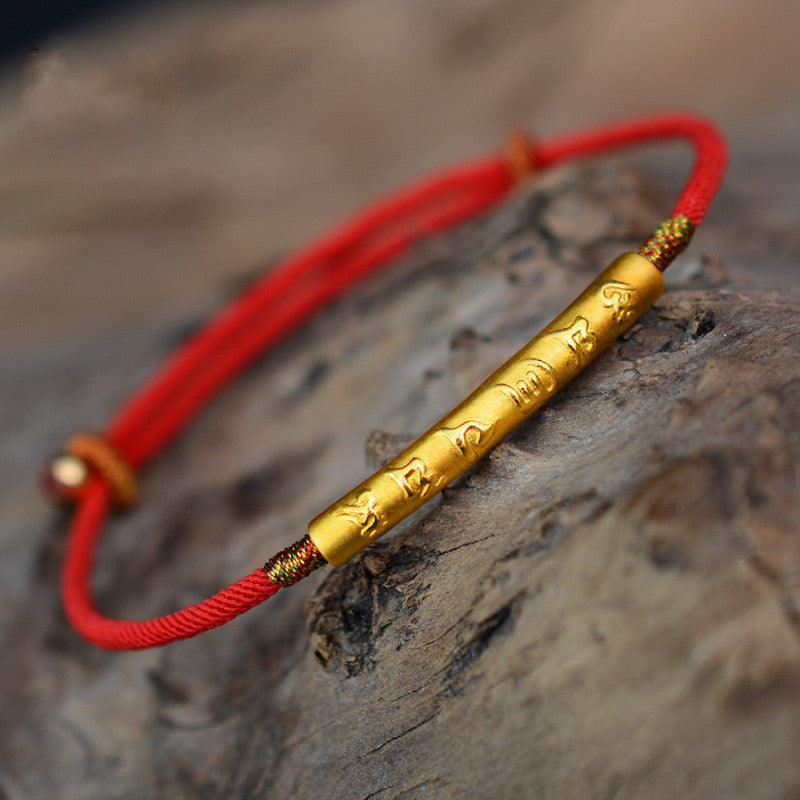
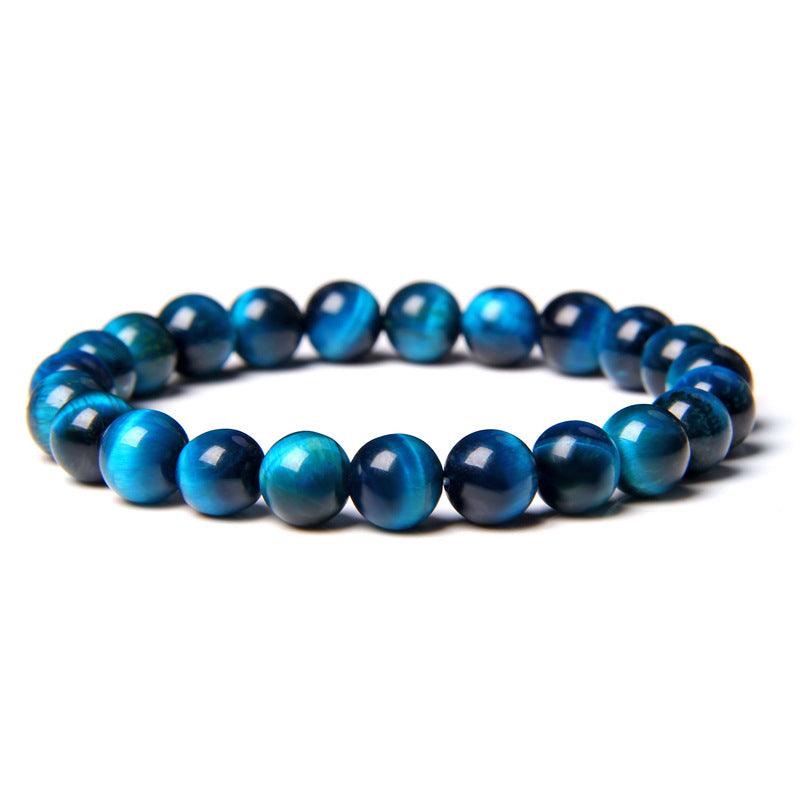
  • Wrist malas: compact and convenient, though counts vary by design.

Choose the Bead Size

Smaller beads make a lighter, more compact mala. Larger beads are easier to feel individually during counting but create more weight and length. For regular mantra practice, comfort in the hand matters more than appearance alone.

Choose the Material

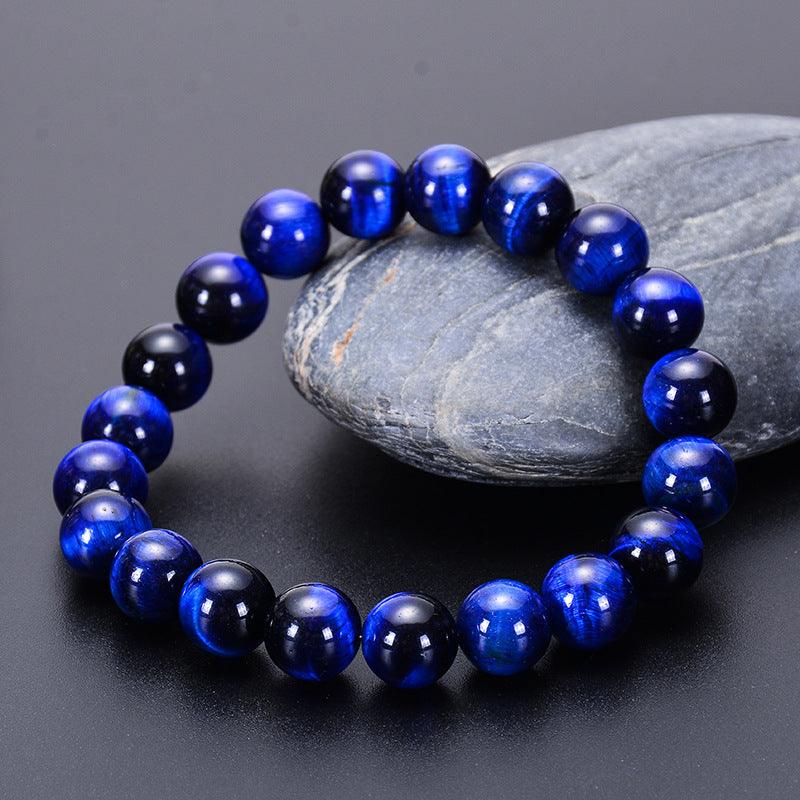
Common mala materials include bodhi seed, rudraksha, sandalwood, other woods, stone, agate, lapis lazuli, turquoise, glass, and metal details. Materials may carry traditional associations, but they should not be treated as guarantees of health or specific outcomes.

Check the Guru Bead and Construction

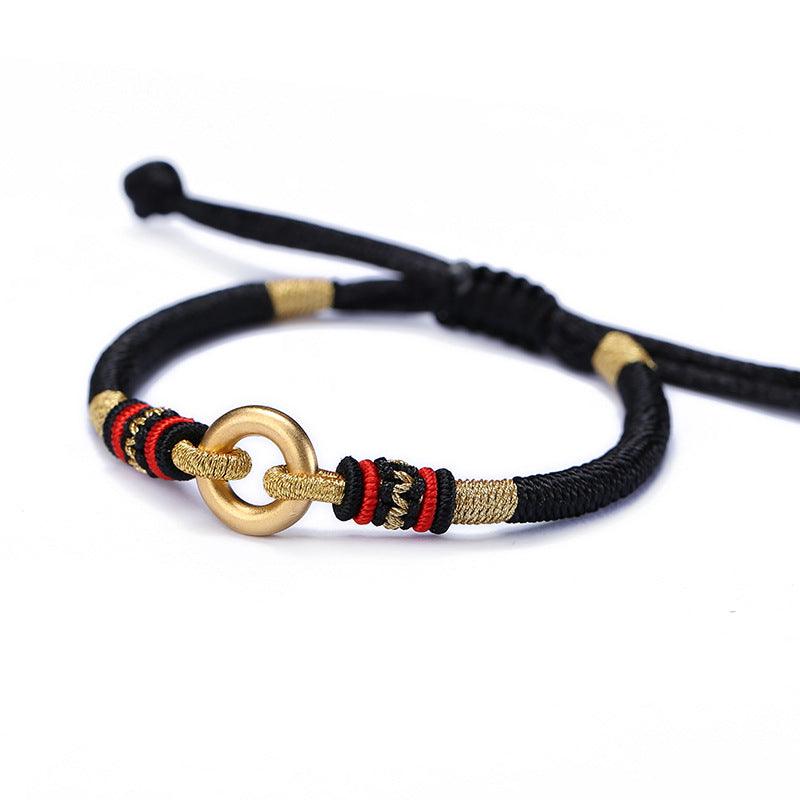
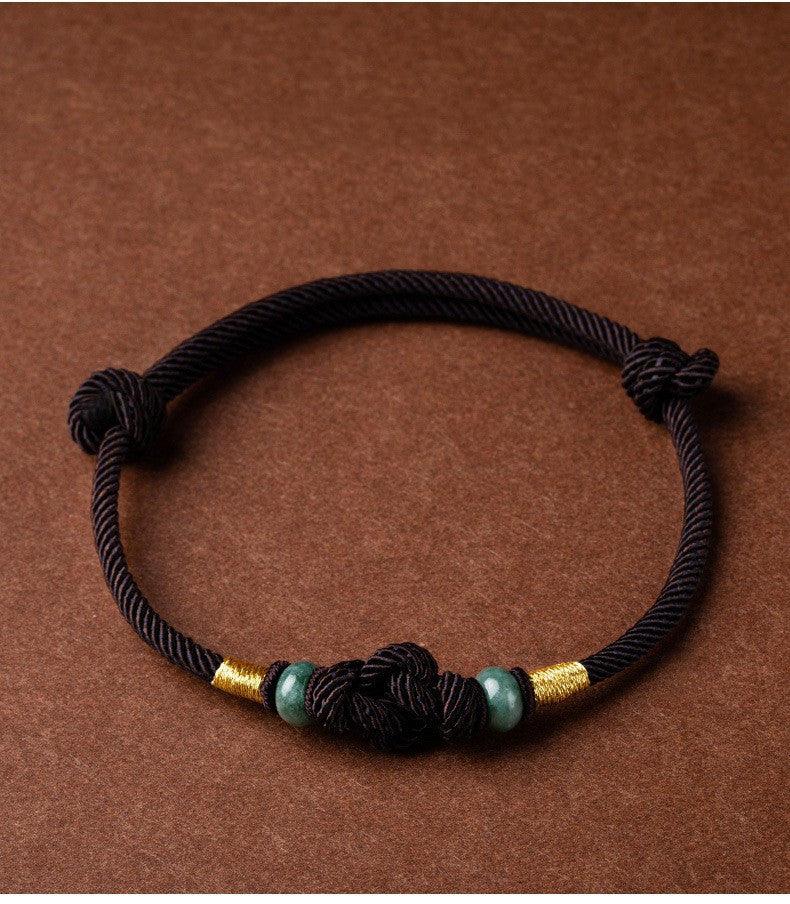
Many malas include a larger guru bead marking the start and end of a round. Also check knotting, cord strength, separators, tassels, and whether the strand is designed primarily for practice or jewelry wear.

For Meditation or Everyday Wear?

A practice mala should feel comfortable to handle repeatedly. A mala worn as jewelry should also be evaluated for clasp security, cord durability, weight, and how decorative components move during daily activity.

Explore Mala Beads

Browse our Mala Beads, Meditation Accessories, and Singing Bowls.

Bottom Line

The best mala is the one whose size, construction, material, and symbolism support the way you actually plan to use it.