Quick Answer
Mala beads are prayer beads used in Buddhist, Hindu, and related contemplative traditions. They are commonly used to count mantra recitations, breaths, or repetitions during meditation. Many full malas contain 108 beads, although shorter wrist malas and practice-specific counts also exist.
Why Do Many Malas Have 108 Beads?
The number 108 has long-standing religious importance in South Asian and Buddhist traditions. The Rubin Museum of Himalayan Art documents Tibetan prayer beads with 108 beads and notes their use for counting prayers and devotional invocations. You can see an example in the Rubin Museum’s collection of Tibetan bodhiseed prayer beads.
The exact symbolic interpretation of 108 can vary across traditions, so it is better to understand the number as an established sacred and practice-related convention rather than reduce it to one universal explanation.
How Many Beads Are in a Mala?
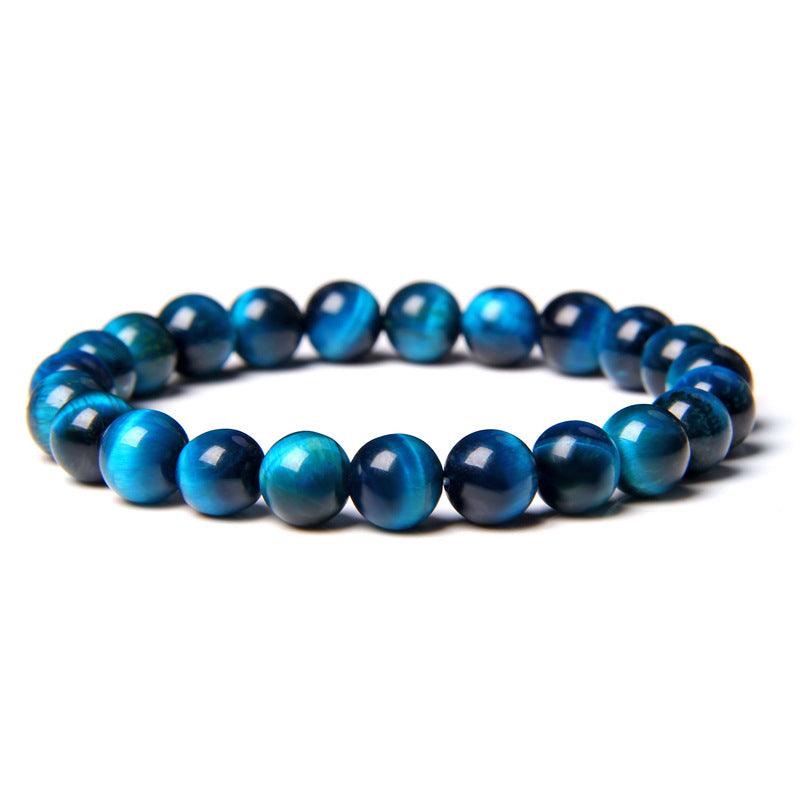
A full-length mala often contains 108 counting beads. Shorter practice formats may use 54 or 27 beads, while wrist malas vary in bead count and construction. When comparing products, check the listed bead count rather than assuming that every prayer bracelet is a 108-bead mala.
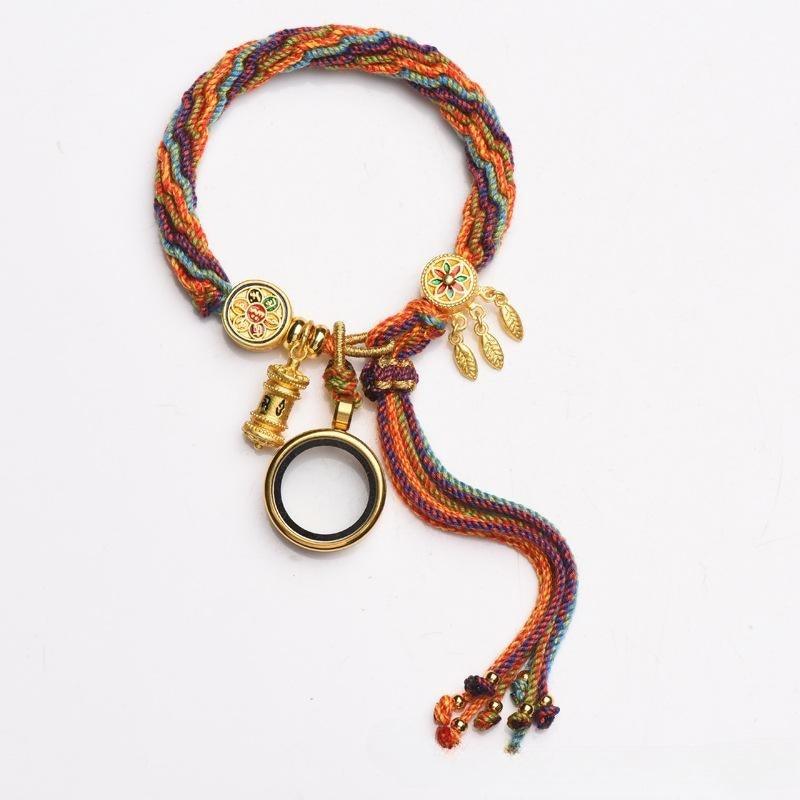
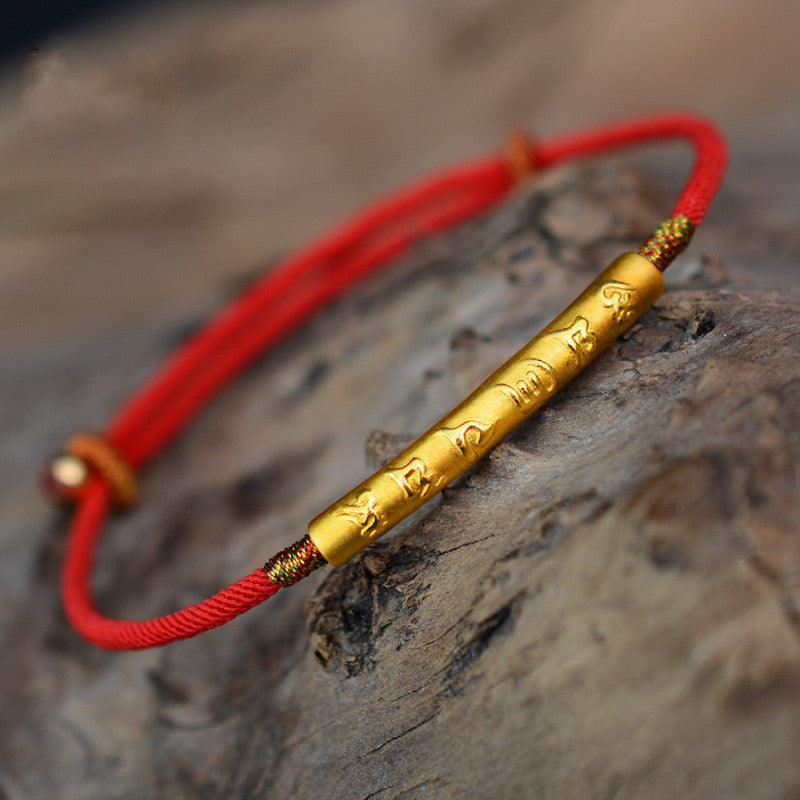
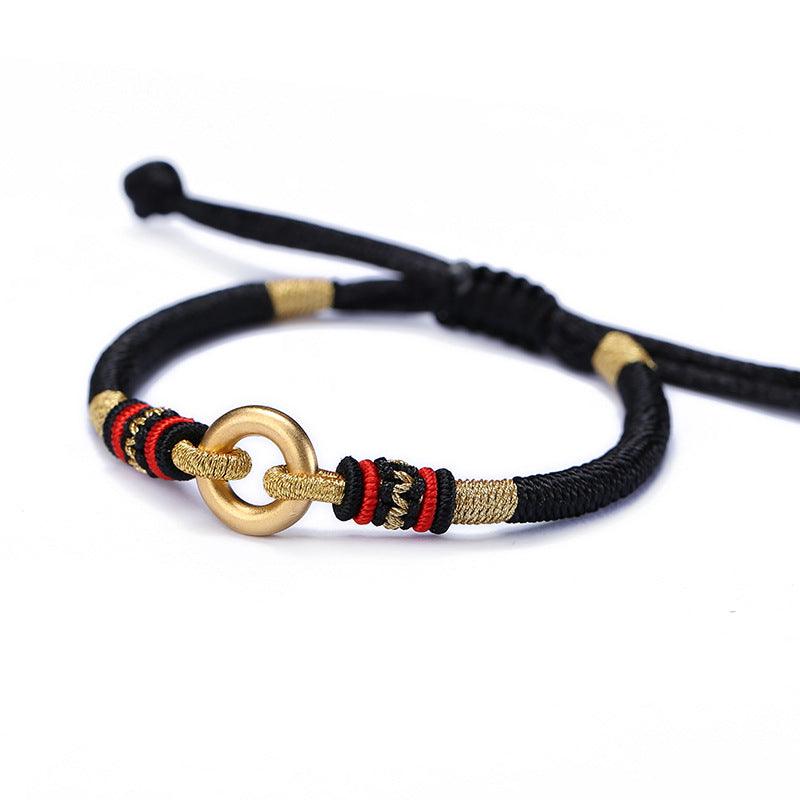
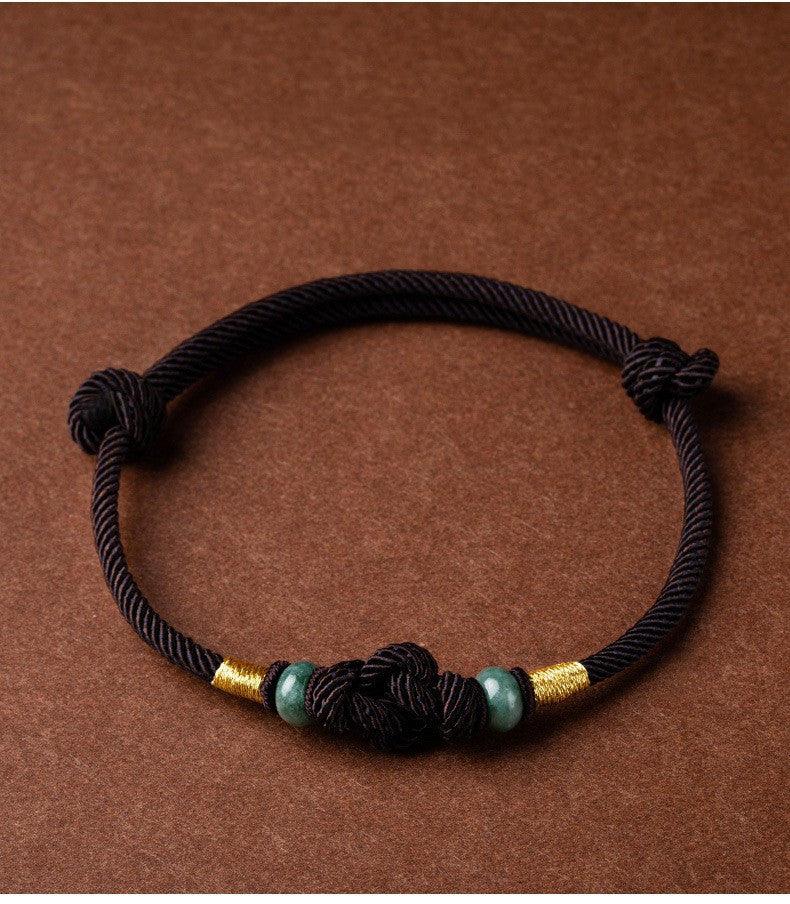
For a full-length counting strand, compare our Buddhist mala beads and 108-bead prayer necklaces. If you prefer a compact wearable reminder, browse Buddhist bracelets. Our mala size and material guide explains how to choose between the different formats.
How Mala Beads Are Used
A practitioner typically moves through the beads one by one while reciting a mantra, prayer, or breath cycle. This gives the hands a repetitive physical action while the mind returns to the chosen phrase or object of meditation.
Some malas include a larger guru bead or separator beads. Their form and symbolism vary according to the tradition and the construction of the mala.
Mala Beads and Mantra Practice
Mala beads are closely associated with mantra recitation. A mantra can be repeated silently or aloud while one bead is advanced for each recitation. This structure can help make practice more consistent and can serve as a tactile reminder to return attention when the mind wanders.
What Materials Are Mala Beads Made From?
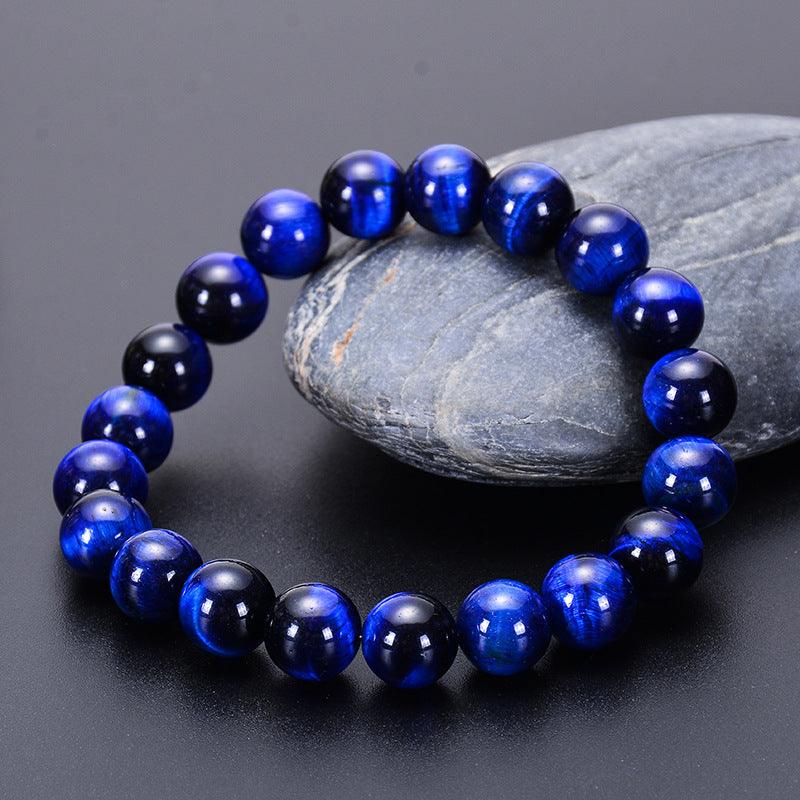
Common materials include seeds, wood, bodhi seed, rudraksha, sandalwood, bone, turquoise, agate, lapis lazuli, and other stones. Different traditions may attach different symbolic meanings to materials, but practical considerations matter too: bead size, weight, cord strength, and how the surface feels in the hand.
How to Choose a Mala
-
Bead count: a 108-bead mala is the most familiar full-length form.
-
Bead size: smaller beads are lighter; larger beads are easier to feel individually.
-
Material: choose according to tactile preference, appearance, symbolism, and care needs.
-
Use: decide whether the mala is mainly for mantra practice, meditation, wearing, or gifting.
Do Mala Beads Have to Be Buddhist?
No. Prayer beads appear in many religious traditions. A mala becomes meaningful through the context in which it is used, the tradition it belongs to, and the intention of the practitioner.
Continue Exploring Mala Beads
Browse our mala beads and 108-bead prayer necklaces, compare Buddhist bracelets for wrist-worn styles, or continue with our guide to using mala beads.