Mala beads are counting tools used in several South Asian religious traditions, including forms of Hinduism and Buddhism. A practitioner can move through the beads while repeating a mantra, prayer or chosen phrase. Modern jewelry often borrows the mala form, so understanding the parts and traditional use helps buyers choose and handle a strand respectfully.
What Are Mala Beads?
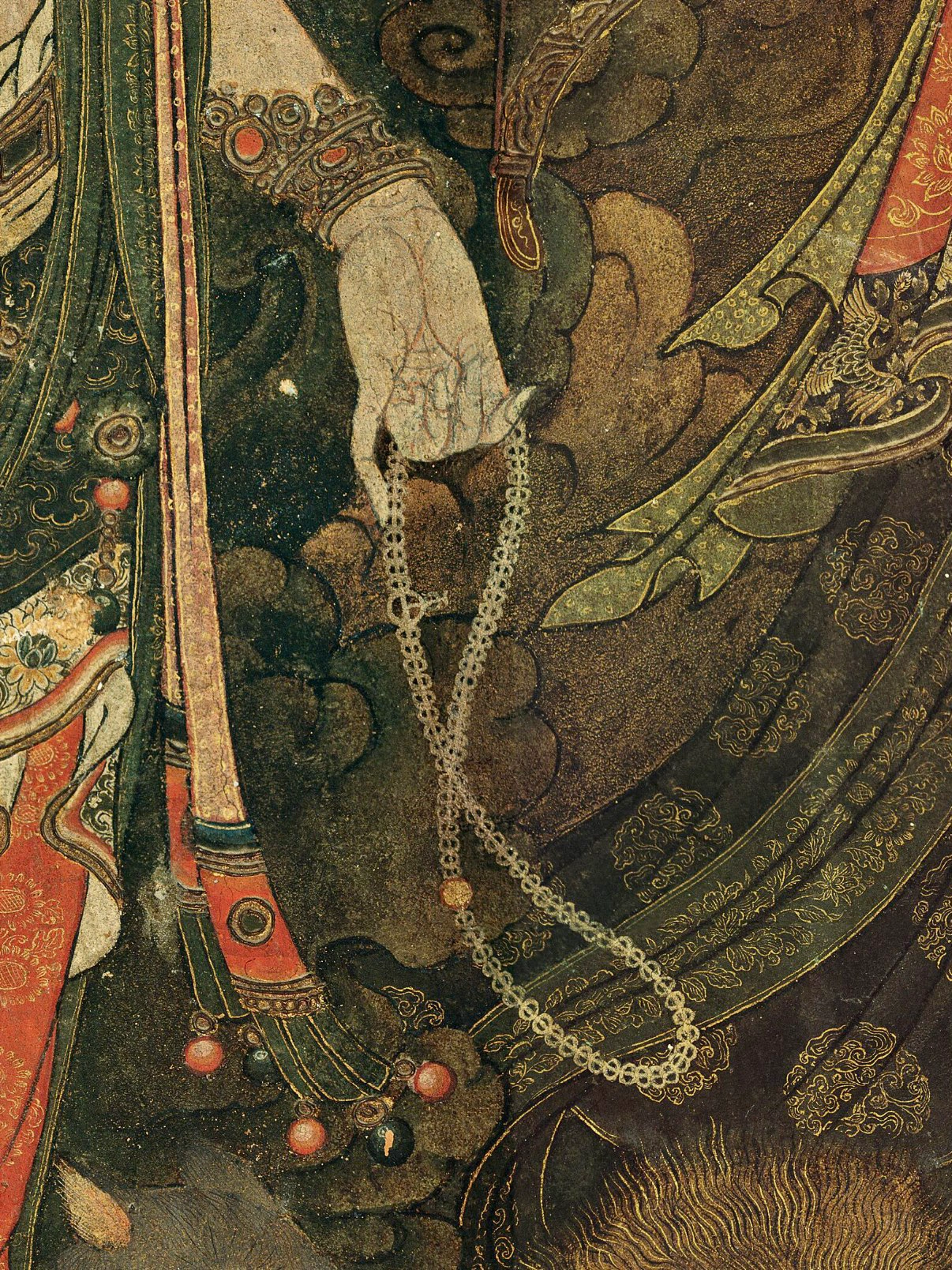
The Sanskrit word mala means garland. A traditional full strand often contains 108 counting beads plus a larger guru bead. Other formats may use 54, 27 or a smaller number of beads. Counts and construction vary by tradition, purpose and maker.
Why Do Many Malas Have 108 Beads?
The number 108 appears in multiple Indian religious and philosophical contexts. Different traditions explain it in different ways. In practical terms, a 108-bead strand provides a complete counting cycle for repeated recitation.
Parts of a Mala
-
Counting beads: moved one at a time during recitation.
-
Guru bead: a larger or distinct bead marking the beginning and end of a round.
-
Tassel or finishing cord: joins the strand and may carry decorative or symbolic meaning.
-
Markers: some malas include spacer beads to divide the count into smaller sections.
How to Use a Mala
- Hold the mala comfortably in one hand, starting beside the guru bead.
- Recite your chosen mantra once.
- Move to the next bead and repeat.
- Continue until you return to the guru bead.
- To begin another round, turn the strand around instead of crossing over the guru bead.
Specific hand positions and recitation methods differ between lineages. Follow the guidance of your teacher or community when practicing within a particular tradition.
Choosing Materials and Construction
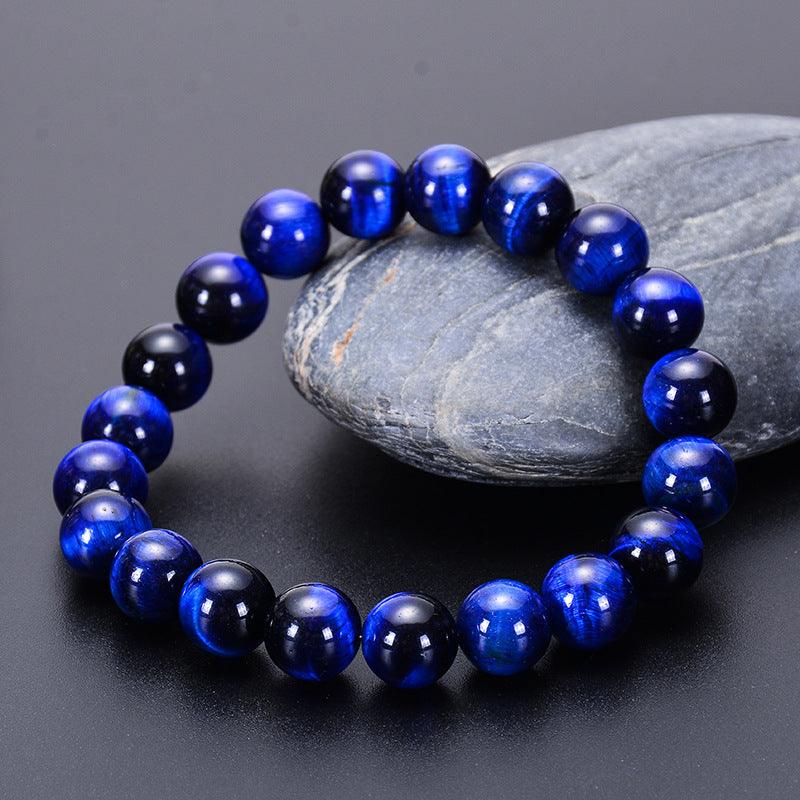
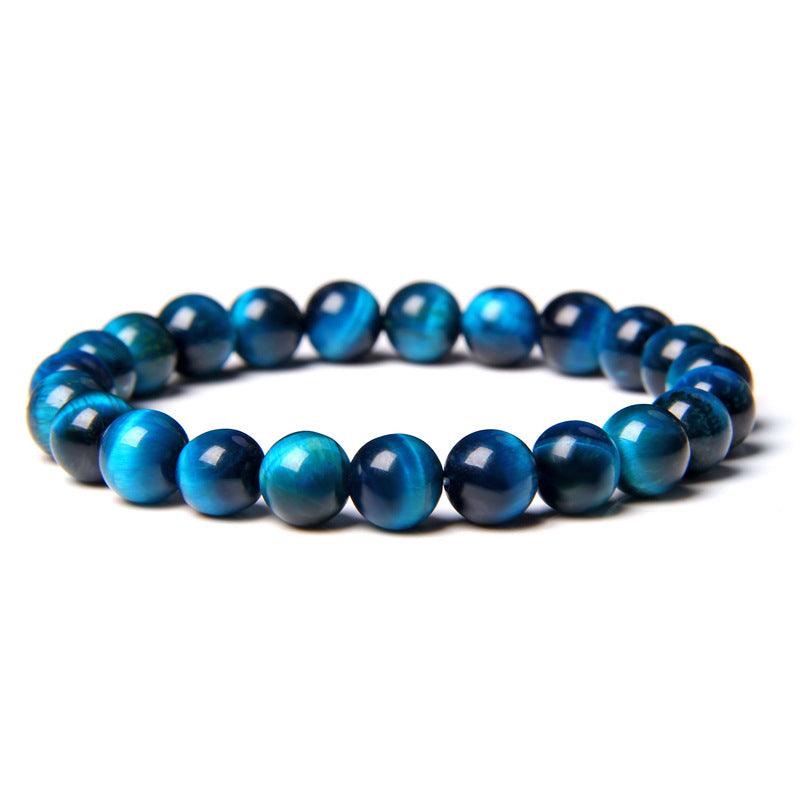
Mala beads may be made from wood, seeds, stone, glass or metal components. Choose based on verified product information, weight, bead size, texture and intended use. Materials may also carry cultural or spiritual associations connected with prayer, meditation, compassion, protection, and mindful intention. Review the Buddhist prayer beads and mala beads collection to compare available designs. For a wood-bead option, compare our 108-bead sandalwood prayer beads.
Wearing a Mala
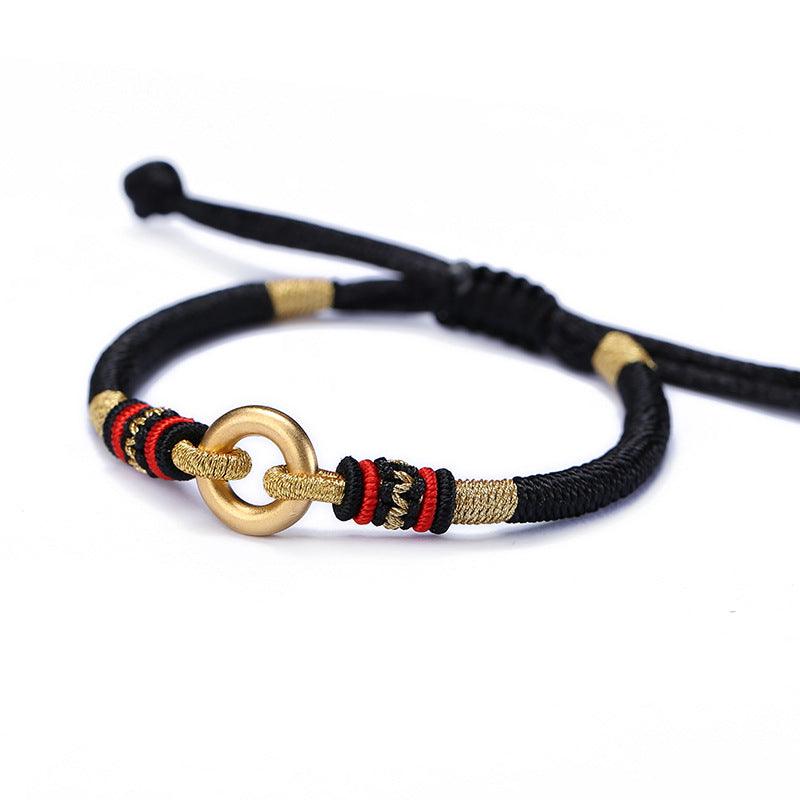
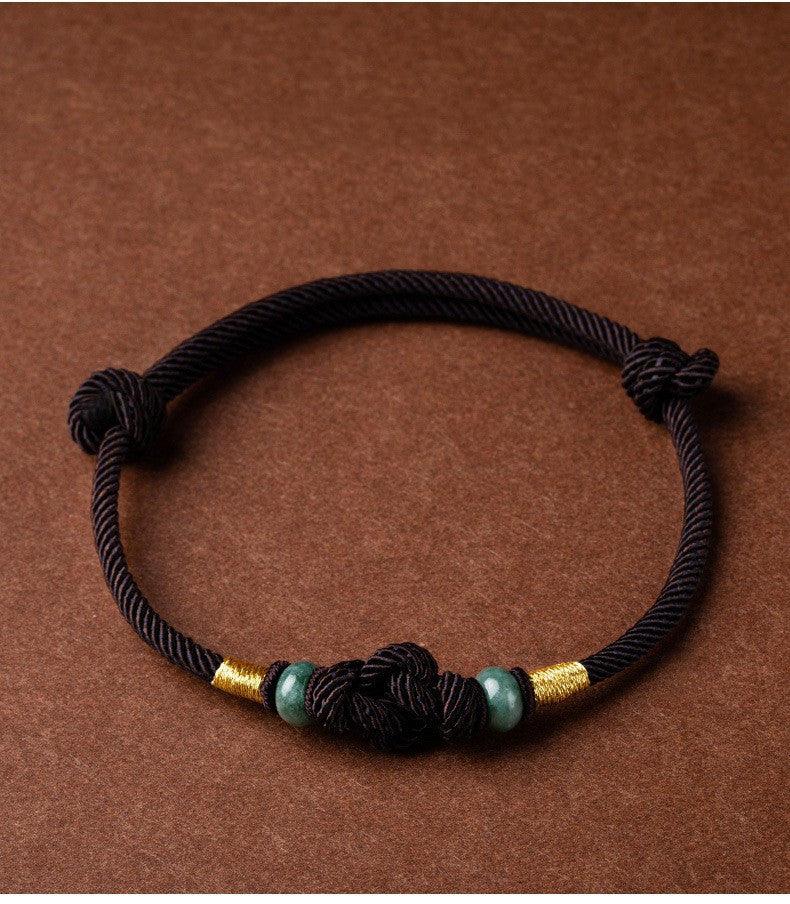
Some people reserve a mala for seated practice, while others wear mala-inspired necklaces or wrap bracelets. Consider strand length, cord construction and whether decorative components can withstand regular movement.
Care and Storage
Keep a mala away from prolonged moisture, perfume and harsh cleaning products. Do not stretch an elastic or knotted strand unnecessarily. Wipe beads gently with a soft dry cloth, store the mala flat or loosely coiled and inspect the cord for wear. Natural materials may change slightly in color or finish over time.
Respectful Contemporary Use
A mala can support counting, concentration, prayer, mantra recitation, and focused attention. Learning where the object comes from, using it consistently, and handling it carefully are practical ways to respect its cultural and spiritual context.